For furniture buyers, quality is proven by the controls behind the product—not by a final inspection alone. At Hoolnn, we manage quality as a connected process: material verification, approved production standards, in-process checks, final release and shipment protection. The objective is to keep the bulk order aligned with the approved sample and give buyers a clear route to review the result.
Our published range spans wooden and upholstered furniture, and our team works across woodworking, painting, upholstery and quality control. The exact inspection points depend on the product, finish, materials and destination requirements, but the control logic remains the same: identify the risk before it becomes an expensive bulk-order problem.
What Buyers Can Expect from Our Quality-Control Path
| Control point | How we manage it | What it protects for buyers |
| Materials | We compare incoming wood, fabric, finish and hardware against the approved project requirements. | Wrong material, visible defects and avoidable variation. |
| Pre-production | We align drawings, BOM, finish references, critical dimensions and the approved sample before bulk release. | Differences between quotation, sample and order. |
| In-process work | We check components, construction, upholstery and finish while work is still correctable. | Repeated machining, assembly or workmanship errors. |
| Final release | We review the completed SKU for identity, function, appearance, quantity and accessories. | Non-conforming products entering packing. |
| Packaging and loading | We verify protection, labels, carton closure and container readiness before release. | Transit damage and receiving discrepancies. |
1. Start with Material Verification, Not Assumptions
Batch acceptance: verify before cutting
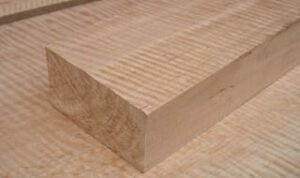
Check each timber batch before it enters production. Confirm the approved species, usable grade, thickness, grain direction, defect limits and moisture range. Do not accept “similar” material without a signed reference sample or written tolerance.
Traceability: keep a usable record
Assign every incoming batch a lot code linked to its supplier, delivery date and inspection result. Photograph unusual grain or defects and retain the record. A traceable batch record helps isolate a claim without rechecking the whole order.

2. Freeze One Buyer-Approved Production Standard
Controlled specification pack
Put drawings, BOMs, finish panels, fabric and hardware codes, dimensions, tolerances and packaging requirements in one numbered production pack. Show the revision number and approval date on every working copy. The approved sample is the visual reference; the specification makes it repeatable.
Change control: one source of truth
Log every approved change with the affected SKU, owner, effective date and revised reference. Replace obsolete drawings and labels on the workshop floor before the change takes effect. No production change should rely on an email thread or verbal instruction.
3. Check Components and Construction Before Errors Multiply
First-piece approval for critical dimensions
Approve the first complete set before batch machining. Measure the features that determine fit and function, such as drilling positions, joint fit, leg length, rail thickness, drawer openings and left/right-hand parts. Record the actual measurements against the agreed tolerance, not simply “pass”.
Stop repeated errors at the source
Use jigs, templates and a defined check frequency for repeated components. If one piece is out of tolerance, pause the operation, identify the cause and recheck pieces made since the last accepted check. Rustic character never justifies unstable construction or incorrect dimensions.
4. Review Assembly and Upholstery as One Finished Product
Functional assembly checks
Inspect the fully assembled item on a level surface. Check four-point contact, squareness, joint security and the operation of every relevant drawer, door, extension or mechanism. A product that looks correct but rocks or binds is not ready for release.
Upholstery checks against the approved sample
Match the fabric code, colour, foam feel, cushion size, seam placement, piping, pattern alignment and fabric tension to the approved reference. Check both sides and all visible angles. Inspect the wood frame and upholstery together, because the buyer receives one finished product.

5. Control Finish Against an Approved Visual Reference
Define the finish reference clearly
Approve a physical finish panel or signed sample that states the colour, sheen, grain visibility, brushing, distressing, edge treatment and allowed natural variation. A named colour alone is not a usable acceptance standard for real wood.
Inspect finish in process, not only at the end
Review colour and surface preparation before final coating, then inspect again after curing under consistent lighting. Check for rub-through, patchiness, sanding marks, scratches and contamination. Early correction prevents a finish mismatch from spreading across the batch.
6. Release Finished Goods Only After a Complete Product Review
Final release against the purchase order
Treat final inspection as a release gate, not the only quality check. Confirm the finished SKU, colour, dimensions, quantity, accessories and order allocation against the approved pack. Agree the sampling plan and critical defects with the buyer before inspection begins.
| Final-release area | Examples of what we verify |
| Identity and dimensions | Correct SKU, colour, size, critical measurements and order allocation. |
| Structure and function | Stability, joint security, drawers, doors, extensions, hardware and assembly features. |
| Appearance | Finish, upholstery, scratches, dents, cleanliness and visible workmanship. |
| Completeness | Accessories, instructions, labels, care cards and agreed replacement parts. |
| Packaging readiness | Carton condition, internal protection, closure and shipping marks. |
Hold, correct and reinspect exceptions
Segregate non-conforming goods, record the defect and verify the correction before the product returns to the release area. Keep the reinspection result with the order file. Shipment release should be based on evidence, not an assumption that rework is complete.
7. Protect the Approved Product Through Packing and Container Release
A product that passes final inspection still has to arrive in usable condition. We therefore treat packaging as part of quality control. Before cartons are closed, we check that the correct product and quantity are packed with the required protective materials, separated hardware where applicable, accessories, labels and secure closure. Protection is selected around the product’s vulnerable points, such as corners, finished edges, protruding hardware, upholstery and knock-down components.
Before loading, we check the container condition for concerns such as water, contamination, strong odours or internal damage. The loading record can include carton counts, the container and seal numbers, and photographs of the container, loading sequence and sealed doors. For example, a long dining table with a slim top and central pedestal requires additional protection against pressure points and movement during export handling. See one example in The Modern Style Aero Wood Rectangular Dining Table

Quality Records Give Buyers a Clearer View of the Order
The value of our process is not simply the number of checks. It is the connection between buyer-approved standards, production records, findings and corrective action. When a quality question arises, those records help us trace the relevant material batch, production period and inspection stage. They also help us improve repeat orders, whether the opportunity concerns a finish reference, a construction detail or additional transit protection.
Hoolnn Quality Control for Your Furniture Program
Hoolnn has designed and crafted wooden and upholstered furniture since 2009. If you are planning a private-label, retail or project order, send us your drawings, finish and material references, target market, expected quantity and any critical acceptance requirements. Contact us, we can then discuss the appropriate development and quality-control path for your product.