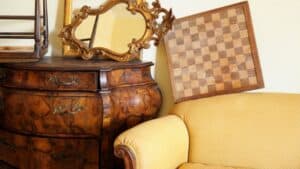
Antique wood furniture carries stories, craftsmanship, and beauty that modern pieces simply can’t replicate. Cleaning antique furniture isn’t like wiping down your IKEA bookshelf. The wood is often delicate, the finish may be compromised, and a single wrong move can erase decades of patina or cause irreversible damage.
This guide walks you through everything you need to know — from identifying your furniture’s finish to step-by-step cleaning methods, common mistakes to avoid, and when it’s time to contact a professional.
Identify the Finish of Antique Furniture First
Prima di toccare your antique with any cleaning solution, you need to know what you’re working with. Antique wood furniture can have various finishes — shellac, lacquer, varnish, oil, wax, or even milk paint — and each responds differently to cleaning methods.
How to Test the Finish:
- Choose a hidden spot — under the seat, inside a drawer, or along the back edge.
- Apply a small amount of denatured alcohol on a cotton swab. If the finish softens or dissolves, it’s likely shellac.
- Try mineral spirits next. If it dissolves, you’re dealing with wax.
- Use lacquer thinner as a last resort. If nothing happens, you probably have a more durable varnish or polyurethane finish.
Always test before proceeding. You don’t want to discover your finish is vulnerable after you’ve already applied cleaner to the entire surface.
Strumenti e forniture
One of the best things about cleaning mobili antichi? You don’t need fancy chemicals or expensive products. In fact, gentler is almost always better. Here’s what to gather:
Oggetti essenziali:
- Tessuto morbido or microfiber towels (avoid anything abrasive)
- Sapone delicato (like castile soap or a gentle dish detergent)
- Acqua distillata (tap water can leave mineral deposits)
- Pennello a setole morbide (an old toothbrush works well for carvings and crevices)
- Cera vergine or high-quality furniture wax (optional, for conditioning)
- Spiriti minerali (for stubborn grime or wax buildup)
- Tamponi di cotone per lavori di dettaglio
- Un panno pulito e asciutto for buffing
Cosa evitare:
- Detergenti chimici aggressivi
- Silicone-based polishes (they can create a cloudy layer over time)
- Umidità in eccesso
- Abrasive scrubbers or rough materials
Step-by-Step Antique Wood Furniture Cleaning Process
Step 1: Start by Dusting
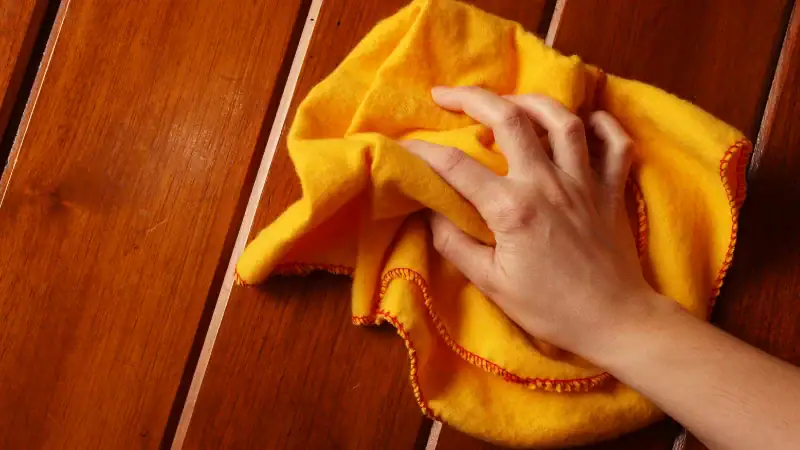
Dust is more than just unsightly — it’s mildly abrasive and can scratch the finish when wiped. Always begin by gently dusting the entire surface with a soft cloth or a feather duster. Work from top to bottom, and don’t forget crevices, carved details, and the undersides of shelves.
For hard-to-reach areas or intricate carvings, use una spazzola a setole morbide to dislodge dirt without scratching.
Passaggio 2: preparare la soluzione detergente
For most antique wood furniture, acqua e sapone are your safest bet. Mix a small amount of mild soap with distilled water — just enough to create light suds. The solution should feel slippery but not overly soapy.
Punta Pro: Less is more. You’re aiming for a damp cloth, not a wet one. Excess water can seep into wood grain, causing swelling, warping, or lifting of the finish.
Step 3: Gently Wipe the Surface
Dip your soft cloth into the soapy water, wring it out thoroughly so it’s just barely damp, and wipe the surface of the furniture in the direction of the wood grain. Work in small sections, and avoid circular motions that can leave streaks or dull the finish.
If you encounter sticky spots or grime buildup, resist the urge to scrub. Instead, let the damp cloth sit on the area for a few seconds to soften the residue, then gently wipe it away.
Step 4: Use a Second Clean Cloth to Remove Soap Residue
Once you’ve cleaned a section, immediately follow up with a second cloth dampened with plain distilled water to remove any soap residue. Again, wring it out well — you want it damp, not dripping.
Fase 5: Asciugare immediatamente
Moisture is one of the biggest threats to antique wood. As soon as you’ve wiped a section, use a clean, dry cloth to buff the surface completely dry. This step is non-negotiable. Even a small amount of standing water can leave marks, dull the finish, or — in worst cases — cause the wood to crack.
Step 6: Address Stubborn Grime with Mineral Spirits (If Needed)
If soap and water didn’t quite do the job, you can carefully use mineral spirits on a soft cloth to tackle oily residue, old wax buildup, or sticky spots. Apply sparingly, work in small sections, and always test in an inconspicuous area first.
Mineral spirits evaporate quickly and won’t harm most finishes, but they should be your seconda opzione — not your first.
Step 7: Condition with Wax (Optional)
Once your furniture is clean and completely dry, you may choose to apply a thin layer of beeswax or a high-quality paste wax to protect and nourish the wood. Wax can restore shine, add a protective coating, and help repel dust and moisture.
Apply wax sparingly with a soft cloth, let it sit for a few minutes, then buff to a gentle shine. Don’t overdo it — a little goes a long way, and too much wax can attract dirt or create a sticky surface.
Errori comuni da evitare
Even with the best intentions, it’s easy to cause damage if you’re not careful. Here are the most common mistakes people make when cleaning antique furniture — and how to avoid them.
1. Usare troppa acqua
Water is wood’s enemy. Excess moisture can seep into the grain, cause swelling, lift veneer, or lead to mold and mildew. Always wring out your cloth until it’s barely damp, and dry immediately after cleaning.
2. Skipping the Test
Never apply any cleaning solution, polish, or wax to the entire piece without testing it first on a hidden spot. Finishes react differently, and what works on one antique may ruin another.
3. Strofinare troppo forte
Antique finishes are delicate. Aggressive scrubbing can strip patina, scratch the surface, or wear through the finish entirely. Use a light touch and let your cleaning solution do the work.
4. Using Silicone-Based Products
Commercial furniture polishes often contain silicone, which can leave a cloudy, hard-to-remove layer on antique finishes. Stick with natural products like beeswax or simple soap and water.
5. Ignoring the Grain
Always wipe in the direction of the wood grain, not against it or in circles. This minimizes the risk of streaks, scratches, or a dull finish.
6. Over-Waxing
Wax is wonderful in moderation, but applying it too frequently or too thickly creates buildup that attracts dust and grime. Once or twice a year is typically enough.
Quando chiamare un professionista
Some situations are beyond DIY cleaning. If your antique furniture needs restoration, has significant damage, or simply holds too much sentimental or monetary value to risk, it’s time to contact a professional furniture conservator or restorer.
Call a pro if:
- The finish is cracked, flaking, or peeling
- There’s extensive water damage, mold, or mildew
- The piece has historical significance or high market value
- You’re dealing with veneer that’s lifting or bubbling
- The wood has deep scratches, gouges, or structural damage
- You’re unsure about the finish or proper care methods
- The furniture needs refinishing or structural repair
Professional restorers have the tools, training, and experience to handle delicate antique pieces without damaging their integrity or value. While it’s an investment, it’s far better than inadvertently causing irreversible harm.
Domande frequenti
How often should I clean my antique wood furniture?
Dust weekly with a soft cloth, and do a gentle cleaning with soap and water once or twice a year — or as needed if the furniture is visibly dirty.
Can I use vinegar to clean antique furniture?
It’s best to avoid vinegar. While it’s a popular natural cleaner, its acidity can damage delicate finishes on antique wood.
Is it okay to use furniture polish on antiques?
Most commercial furniture polishes contain silicone or other chemicals that can harm antique finishes. Stick with natural products like beeswax or simple soap and water.
Can I use olive oil or lemon oil on antique wood?
No. These oils can go rancid over time, darken the wood, or attract dust. Stick with mineral oil (sparingly) or proper furniture wax.
What if my antique furniture smells musty?
Musty odors often indicate mold or mildew, which requires professional attention. Don’t attempt to clean it yourself, as improper treatment can spread spores or worsen the damage.