Have you ever seen this style of home decor: shelves made from pipes, tables with chunky metal legs. That’s the industrial feel. Industrial interior design is a style that’s effortlessly cool, solid, and totally “no fuss.”
But what exactly is industrial style furniture? Is it just throwing some metal and old wood together? Not quite. Think of this article as your ultimate guide to industrial basics, breaking it down in an easy-to-understand way.
What is Industrial Furniture?
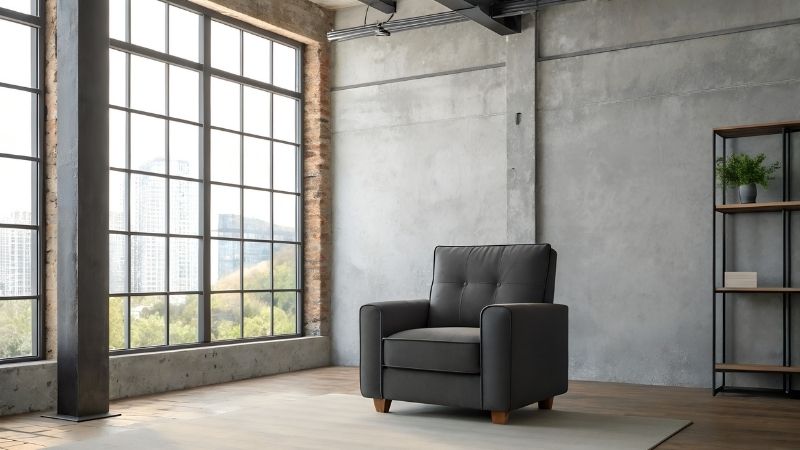
Imagine the old factories and warehouses of the early 1900s. When those big, raw spaces started becoming lofts and homes, people didn’t strip away the character. They kept the brick, the exposed pipes, and the large windows. The furniture that went inside had to match—it was sturdy, functional, and honest.
Industrial style furniture takes its cue straight from that era. It’s the look that celebrates how things are made. Bolts are left visible, wood is often rough, and metal is proudly on display. It’s not about being fancy; it’s about being real and durable. This is the foundation for creating an industrial space, even in a regular home.
Key Characteristics: How to Spot It
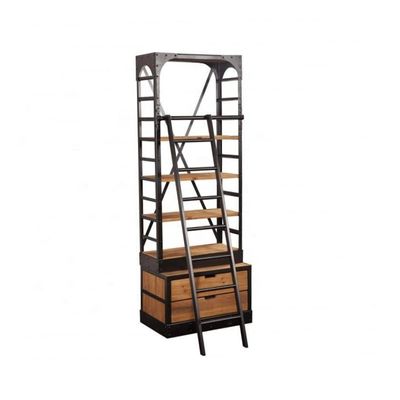
So, how do you know it’s industrial? You’ll spot a few key industrial elements:
- The Materials: This is the biggest clue. Look for reclaimed wood (think old barns or floorboards), blackened iron and steel, and touches of concrete or worn leather. If it looks like it could have survived in a workshop, you’re on track.
- The “Unfinished” Look: Shiny and perfect isn’t the goal. Surfaces are weathered, distressed, or matte. The wood might have knots and saw marks; the metal might have a rustic finish. The beauty is in the imperfection.
- Exposed Mechanics: Instead of hiding how something is built, this style shows it off. Look for visible bolts, rivets, and seams. Furniture might be held together with pipes or brackets. A light bulb might be bare, hanging from a cord.
- Clean Lines & Function: Above all, each piece has a job. The shapes are simple—think straight lines, squares, and circles. There’s no extra frill. The design is the function, a key trait in both classic and modern industrial design.
Why Do People Love It?
It’s not just a passing trend. Here’s why this style has staying power:
- It’s Built to Last: This stuff is solid. Inspired by furniture made for busy workshops, it’s made to handle real life in your living spaces.
- It’s Super Versatile: The neutral colors and clean lines make it a great mixer. You can blend an industrial table with modern chairs or add a pipe shelf to a cozy bedroom. It adds edge without clashing.
- It’s Full of Character: In a world of mass-produced items, industrial pieces feel unique. That scratch or weld makes your home feel personal and collected.
- It’s Surprisingly Timeless: Rooted in simple utility, it doesn’t go “out of style.” It’s the opposite of a flashy trend you’ll tire of quickly.
How to Add Industrial Touches to Your Home
You don’t need a warehouse loft. Here’s your starter guide to incorporating industrial style.
Start with One Anchor Piece
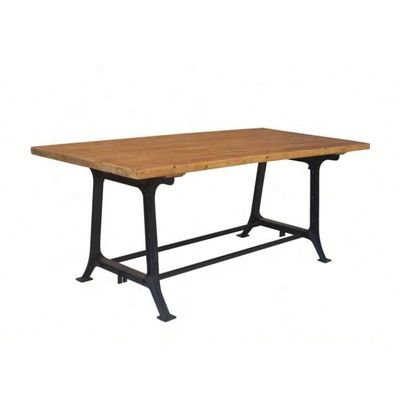
Don’t overhaul everything. Pick one key item to set the tone. A metal-frame dining table is perfect. In the living room, a large, leather sofa with a simple frame can be a great foundation.
Embrace the Mix
The magic is in the blend. Pair a cold metal chair with a soft, fuzzy throw. Place a colorful rug under a heavy-duty table. Contrasting “hard” industrial decor with “soft” textiles is what makes a space livable.
Lighting is Your Best Accent
This is the easiest and most effective update. Swap a basic lamp for an industrial pendant light with a metal cage or exposed bulb. Lighting is a powerful accent that sets the mood instantly.
Accessorize with Purpose
Look for functional industrial decor:
- Use wire baskets for blankets or magazines.
- Try a factory-style rolling cart as a bar.
- Use metal clamp lights as reading lamps.
- Plant something in a concrete pot.
DIY the Vibe
The style encourages a hands-on approach. Building a simple pipe shelf or sanding a table to look weathered are great ways to add personal industrial elements.
A Quick Word of Caution: Aim for “industrial chic,” not “garage.” Avoid going overboard. Too much metal can feel cold. Always balance with warmth, plants, and personal touches. And please, make sure your seating (yes, even that cool stool) is actually comfortable.
Frequently Asked Questions
Is industrial style furniture comfortable?
Absolutely! While it features sturdy materials like metal and wood, comfort is key. The trick is in the pairing. Always balance hard industrial pieces with soft textiles—think plush cushions on a metal-frame sofa, cozy throws over a leather chair, or a thick rug under a concrete-top coffee table.
Can I mix industrial style with other design styles?
Yes—in fact, that’s where it really shines! Industrial design’s clean lines and neutral palette make it incredibly versatile. It blends beautifully with Modern (for a sleek, minimalist look), Scandinavian (to add warmth and texture), Bohemian (to create an eclectic, layered feel), Farmhouse (for a rustic, cozy twist), and so on.
What’s the difference between industrial and rustic style?
While both use natural materials, they have different origins. Industrial draws from factories/warehouses: think metal, exposed mechanics, and urban vibes. Rustic draws from countryside/cabins: think rough-hewn wood, stone, and earthy tones. They can work well together—just maintain a clear balance so one doesn’t overwhelm the other.
Are there specific colors that work best for walls in an industrial-style room?
The most authentic and forgiving palette comes from the materials themselves. Think neutral backdrops that don’t compete: soft whites, warm grays, putty tones, or even very muted, weathered blues or greens.
How do I choose art for an industrial-style space?
Art should complement the raw, honest vibe. Think architectural prints, blueprints, abstract paintings with textured surfaces, large-scale black-and-white photography, or metal wall sculptures.
Conclusion
At its heart, industrial style furniture is about honest materials and straightforward design. It’s sturdy, reliable, and adds authentic character to your living spaces.
Incorporating industrial style doesn’t require a full commitment. Start small, mix it with what you own, and have fun. Give it a try now!