
Scandinavian design has become synonymous with timeless elegance and functional simplicity. Originating in the early 20th century across the five Nordic countries—Denmark, Norway, Sweden, Finland, and Iceland—this design movement blends minimalist aesthetics with natural warmth.
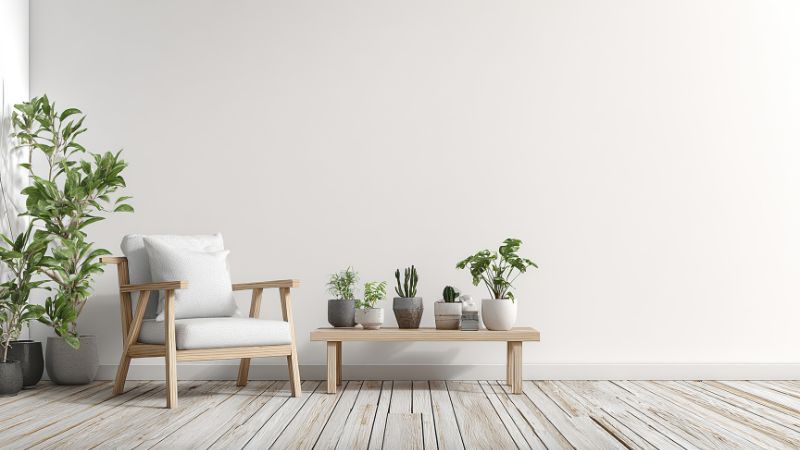
From the sleek contours of Danish furniture to the clean lines of modern interior designs, Scandinavian style remains a global favorite for those seeking harmony between form and function.
What Is Scandinavian Design?
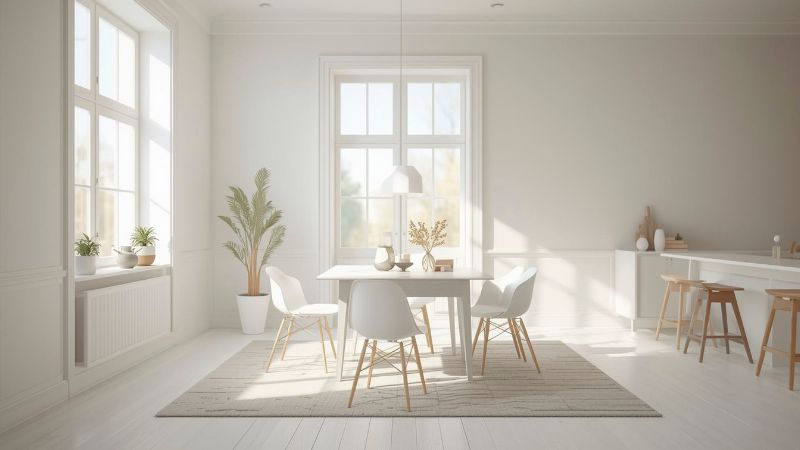
In simple terms, Scandinavian style is a warm minimalist home design aesthetic. At its core, Scandinavian design emphasizes three pillars:
- Functionality: Every piece, whether furniture or a light fixture, serves a clear purpose without superfluous ornamentation.
- Simplicity: Influenced by minimalism, forms are pared down to basic geometric shapes and uncluttered silhouettes.
- Natural Materials: Light woods (beech, ash, pine), wool textiles, and leather celebrate the region’s natural resources and promote a sense of warmth.
This design ethos extends beyond objects to embrace natural light, open floor plans, and muted color palettes—soft whites, pale grays, and earthy tones—that reflect the Nordic landscape.
A Brief History of Scandinavian Design
- Early Foundations (Late 19th – Early 20th Century)
Inspired by the Arts and Crafts movement, pioneers in Scandinavia sought to merge craftsmanship with modern production. Furniture makers in Denmark and Sweden began experimenting with functional yet graceful forms. - Interwar Period & Craft Revival
By the 1930s, universities of art and design across Finland and Iceland nurtured a new generation of creatives. Designers such as Alvar Aalto in Finland championed organic shapes in architecture and bentwood furniture, marrying form with ergonomics. - Mid-Century Modern Boom (1950s–1960s)
The post-war era ushered in an international embrace of Danish modern. Icons like Arne Jacobsen (famed for the Egg and Swan chairs), Hans Wegner, and Finn Juhl earned top honors including the Lunning Prize—awarded to outstanding Scandinavian designers between 1951 and 1970. Their work highlighted clean lines, sculptural details, and expert joinery. - Global Influence & Industrial Design
As these designers showcased at world fairs and exhibitions, “Scandinavian design” became a recognized style movement. Furniture brands such as Fritz Hansen and Carl Hansen & Søn grew into global ambassadors of high-quality, minimalist furniture design.
Key Characteristics of Scandinavian Style
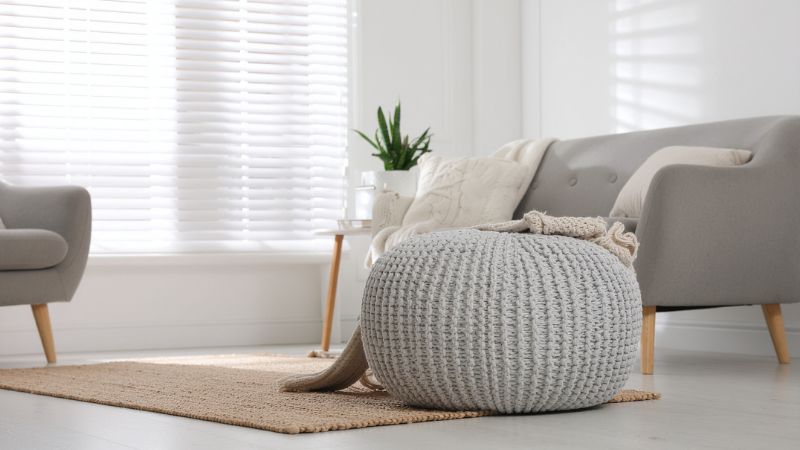
Minimalist Aesthetic
Light and Airy Spaces
- Maximizing daylight through large windows and white walls.
- Use of natural light makes interiors feel spacious and uplifting.
- Light woods, stone, and textiles (wool, linen) add warmth and tactility.
- Unfinished surfaces highlight material authenticity.
Neutral Color Palette with Accents
- Whites, creams, soft grays, and muted blues form the backdrop.
- Pops of color—mustard yellow, forest green—appear in cushions or art for visual interest.
Human-Centered Design
- Ergonomic shapes ensure comfort and well-being.
- Furniture pieces are meant to invite use, whether dining, resting, or gathering.
Sustainable Mindset
- Emphasis on durability, repairability, and timeless appeal reduces waste.
- Natural materials and minimalist production align with eco-friendly values.
Scandinavian Design Style Today
Contemporary Scandinavian design builds on its heritage while embracing new technologies and global influences. Today you’ll find:
- Scandinavian Interiors that mix mid-century modern classics with contemporary lighting and soft, layered textiles.
- Furniture Collaborations blending traditional craftsmanship with 3D printing and innovative materials.
- Hybrid Styles fusing Nordic minimalism with Japanese wabi-sabi or industrial elements for fresh interpretations.
- Emphasis on Wellness through biophilic design—bringing plants, natural light, and outdoor views indoors.
Brands continue to champion clean design and functionality: Muuto, Normann Copenhagen, and &Tradition produce new classics that recall the simplicity of Arne Jacobsen and Hans J. Wegner, while respecting the climate and lifestyle of the Nordic nations.
FAQs
What are the five Nordic countries?
Denmark, Norway, Sweden, Finland, and Iceland comprise the core of Scandinavian design heritage.
How does Scandinavian design differ from minimalism?
While both value simplicity, Scandinavian design adds warmth through natural materials and soft textures, avoiding an overly stark look.
Who are iconic Scandinavian furniture designers?
Arne Jacobsen, Hans Wegner, Finn Juhl, and Alvar Aalto are among the most celebrated names in Danish and Nordic furniture design.
What role did the Lunning Prize play?
Awarded between 1951–1970, the Lunning Prize recognized outstanding Scandinavian designers and helped propel their work onto the global stage.
Why is natural light so important?
In regions with long winters and limited daylight, maximizing natural light boosts mood and complements the light color palette typical of Scandinavian interior designs.
Are Scandinavian homes all white?
White walls are common, but Scandinavian style also embraces muted colors, wood tones, and tactile textiles to create balanced, inviting spaces.
Conclusion
Scandinavian design endures because it merges timeless design principles with everyday practicality. From its early 20th-century roots and iconic mid-century modern furniture to today’s sustainable innovations, the style champions simple beauty, natural materials, and human-centered functionality. Whether you’re drawn to a sleek Danish design chair or a cozy Nordic interior bathed in natural light, Scandinavian design continues to offer a harmonious blueprint for modern living.