Linen sofas and armchairs have a special kind of charm. They look relaxed yet elegant, feel cool and breathable. However, linen can show stains, wrinkles, and wear if you don’t treat it carefully.
This guide will walk you through how to clean linen furniture at home, deal with common stains, and keep your pieces looking their best for years.
Understanding Linen Upholstery

What is Linen?
Linen is a natural fabric made from the fibers of the flax plant. It’s:
- Strong and durable
- Breathable and cool to the touch
- Slightly textured, with a beautiful, casual look
Because it’s a natural fiber, linen can react to water, heat, and cleaning products more than some synthetic fabrics. That’s why a gentle approach is key.
Types of Linen Upholstery
Not all linen furniture is the same. You might have:
- Pure linen: 100% linen fibers; often more sensitive to water and heat
- Linen blends: Mixed with cotton, polyester, or viscose for extra strength and wrinkle resistance
- Pre-washed or stonewashed linen: Softer and more relaxed, sometimes a little more forgiving to clean
Always keep in mind: the exact linen fabric type and how it’s finished will affect how you should clean it. When in doubt, be gentle and test first.
Before You Start: Labels and Patch Tests
Read the Care Label
Most upholstered furniture has a small care tag hidden under the cushions or the frame. Look for a letter code:
- “W” – Use water-based cleaners
- “S” – Use solvent-based (dry cleaning type) cleaners only
- “WS” – Water-based or solvent-based cleaners are usually safe
- “X” – Vacuum only; stains should be handled by a professional
These codes tell you what kind of cleaning your linen can handle. Ignoring them is one of the easiest ways to damage your sofa.
Do a Patch Test
Before you apply any cleaner:
- Choose a hidden spot (back edge, underside of a cushion).
- Apply a tiny amount of your chosen cleaner with a white cloth.
- Blot gently, then let it dry completely.
- Check for color changes, rings, or roughness.
If the test area looks fine, it’s safer to move on to visible areas.
How to Clean Linen Furniture: Light Surface Cleaning
Below is a gentle method suitable for many linen pieces, especially those labeled “W” or “WS”.
- Prepare the fabric
- Remove throws and cushions.
- Vacuum the entire piece to remove loose dirt.
- Mix a gentle cleaning solution
- Fill a bowl or bucket with lukewarm water.
- Add a few drops of mild, clear dish soap or a gentle upholstery shampoo.
- Optional: For light odors, add a small splash of white vinegar (only if your care label allows water-based cleaning).
- Spot-clean, don’t soak
- Dip a white microfiber cloth into the solution, then wring it out well. It should be damp, not dripping.
- Gently dab the stained or dirty area. Avoid scrubbing hard.
- Work from the outside of the stain toward the center to stop it from spreading.
- Rinse and blot
- Take a second clean cloth, dampen it with plain water, and wipe the area to remove soap residue.
- Press with a dry towel to absorb as much moisture as you can.
- Let it dry completely
- Let the fabric air-dry.
- Use a fan to speed things up, but avoid heaters or hair dryers that can shrink or stiffen the fabric.
- Keep direct sunlight off the damp area to prevent fading or water rings.
Stain Removal Guide for Linen Furniture
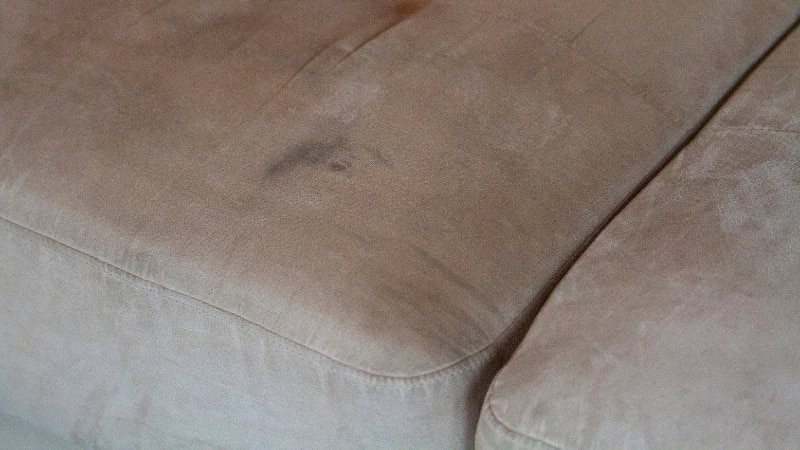
Food and Drink Stains
For coffee, tea, juice, or soft drinks:
- Blot up as much liquid as possible with a dry cloth or paper towel.
- If your fabric allows water-based cleaning:
- Mix a small amount of dish soap into lukewarm water.
- Dab gently with a cloth, then rinse with a damp cloth and blot dry.
For red wine or dark-colored drinks:
- Blot immediately—don’t let it sit.
- Use the same mild soap solution, and be patient.
- For tough areas, you can carefully use a paste of baking soda and water on water-safe fabrics, let it sit a few minutes, then wipe away and rinse lightly.
Oil and Grease Stains
For butter, salad dressing, or body oils:
- Sprinkle baking soda or cornstarch onto the stain to soak up the oil.
- Let it sit for 15–30 minutes, then vacuum off the powder.
Ink and Marker Stains
Ink can be tricky and may not always come out fully.
- Test a small hidden area first.
- On fabrics that allow it, you can dab gently with a cloth moistened with rubbing alcohol.
Pet Stains and Odors
For accidents and smells:
- Blot up as much liquid as you can right away.
- Use an enzyme-based cleaner that’s safe for upholstery (and approved by your care label) to break down odors.
- Follow with a very mild water-and-vinegar solution on “W/WS” fabrics to freshen the area.
- Rinse lightly with a damp cloth and allow to dry fully.
Water Rings and Old Stains
Sometimes, using too much water or cleaning just one small spot can leave a visible ring.
- On “W/WS” fabrics, gently dampen a slightly larger area around the ring and blend it in, then blot and dry evenly.
- Use very little water and take your time.
Deep Cleaning and Professional Care
When to Deep Clean
You may need a deeper clean if:
- The sofa looks dull or dirty overall, not just in one spot.
- There are multiple stains you can’t easily treat one by one.
- There’s a lingering smell that regular airing out doesn’t fix.
At-home Deep Cleaning
If your linen is labeled “W” or “WS”:
- A home upholstery or carpet cleaning machine can work, but use it carefully.
- Choose the gentlest setting and avoid soaking the fabric.
- Work in small areas, extract as much water as possible, and let the sofa dry completely before using it.
When to Call in a Professional
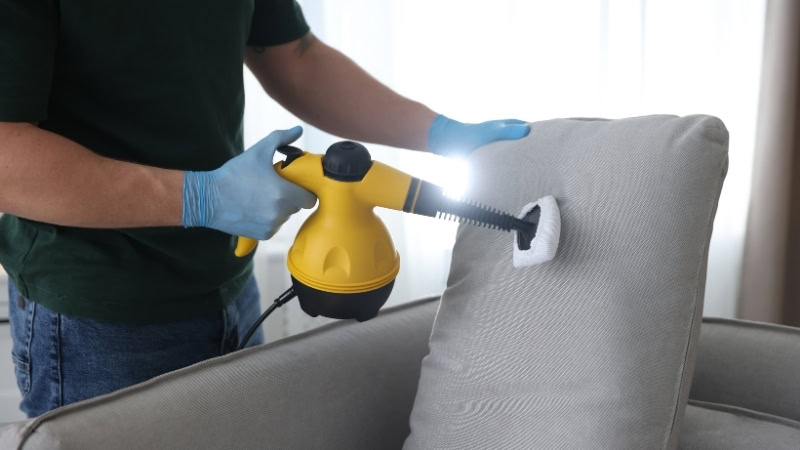
It’s a good idea to hire a professional cleaner if:
- Your tag says “S” or “X”.
- The furniture is expensive, antique, or sentimental.
- There are big or old stains you’re nervous about tackling.
Look for cleaners with experience in natural fibers and linen in particular, and don’t be afraid to ask them how they plan to treat your fabric.
Everyday Care and Maintenance
A little regular attention goes a long way with linen. It helps prevent dirt from settling deep into the fibers and keeps your furniture looking fresh.
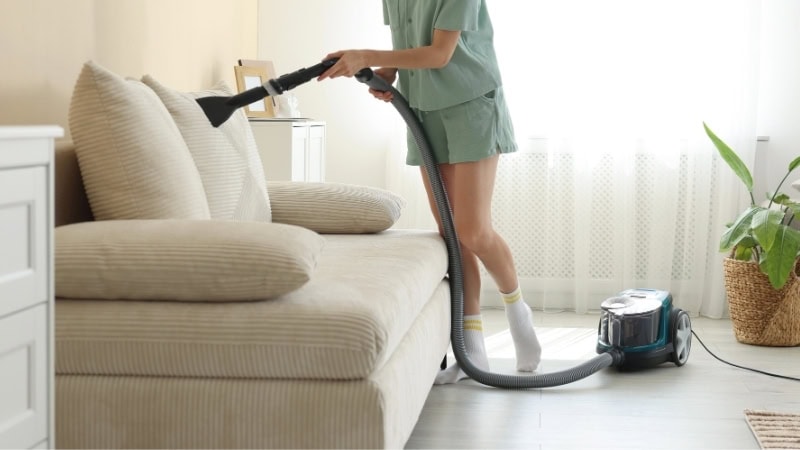
Vacuum Regularly
- Vacuum your linen sofa or chairs once a week if possible.
- Use an upholstery attachment and low-to-medium suction.
- Go over:
- Seat and back cushions
- Creases, seams, and corners
- Under and between cushions
This removes dust, crumbs, pet hair, and dirt before they become stains or cause abrasion.
Brush and De-pill
- Use a soft-bristle brush to gently lift dust and keep the surface looking smooth.
- For little fabric balls (pills), carefully use a fabric shaver or a lint roller.
- Always brush or shave in one direction and lightly, so you don’t damage the fibers.
Rotate and Fluff Cushions
- Rotate and flip loose cushions every week or two.
- Give them a good fluff to redistribute the filling.
This prevents one side from getting flat and worn while the rest stays new-looking.
Preventative Care: Keeping Linen Looking New
Use Slipcovers or Throws
Washable slipcovers are a great way to protect your original linen upholstery. Putting throws and blankets on high-traffic areas (like seats or armrests) helps catch everyday dirt and they can be washed easily. You can also change them seasonally to refresh your décor.
Protect From Sunlight
Linen can fade over time in strong direct sunlight. If your sofa sits near a window, use curtains, blinds, or UV window film to cut down on harsh rays. Rotating the furniture occasionally can also help it fade more evenly.
Mind the Environment
Keep linen furniture away from radiators, fireplaces, and strong heat vents. Aim for balanced indoor humidity to prevent musty smells or mildew.
Fabric Protection Sprays
Fabric protectors can help make spills bead up instead of soaking in right away. But protection sprays don’t mean “no cleaning ever” — they just buy you extra time when accidents happen.
Common Mistakes to Avoid
- Using bleach or harsh chemicals that can weaken fibers and strip color.
- Over-wetting the fabric, which can cause water marks, shrinking, or mildew inside the cushions.
- Scrubbing hard at stains and roughing up the surface.
- Ignoring the care label and skipping patch tests.
- Leaving stains for days before dealing with them.
Quick FAQs
Can I remove linen cushion covers and put them in the washing machine?
Only if the label clearly says it’s safe. Many linen covers are “dry clean only” or designed to be cleaned while on the cushion. If you’re unsure, it’s safer to skip the machine.
How often should I professionally clean my linen sofa?
For regular use, every 1–2 years is usually enough, plus spot cleaning and vacuuming in between. With kids, pets, or heavy daily use, you might want a yearly deep clean.
Is linen a good choice if I have kids or pets?
It can be, but you’ll need to be more careful. Choosing darker colors, slipcovers, or performance linen blends can make life easier.
How is linen different from cotton upholstery in terms of care?
Both are natural fibers, but linen is more prone to wrinkling and can show water marks more easily. It usually needs a slightly gentler, drier cleaning approach than cotton.